Illumination + Inspiration

We all need illumination along our journey's path sometimes.

Illumination + Inspiration provides evidence-informed guidance and practical strategies to help you raise confident, healthy, and thriving children. Explore topics including positive parenting, child development, organization, health & wellness, and family lifestyle—all from a child psychology lens.

From Illumination + Inspiration

Family Tools & Apps

Practical digital tools designed to make parenting and education easier.

Homebase

For Florida Homeschool Families

One place for your whole Florida homeschool life. Find local activities, organize schedules, and stay Florida-compliant—so you can stop managing and start enjoying.

Family CalendarActivity BoardsPortfolio
Learn More

MeasuredUp

AI-Powered School Ratings

School ratings that go beyond test scores. Discover Florida schools rated across 5 dimensions: academics, climate, parent satisfaction, programs, and inclusivity support.

School SearchSchool Matcher5D Ratings
Find Schools

A Few of My Favorite Things

My Book
Through the Feelings Forest

Through the Feelings Forest

By Dr. Ely • Ages 3-7

View on Amazon
Award Winner
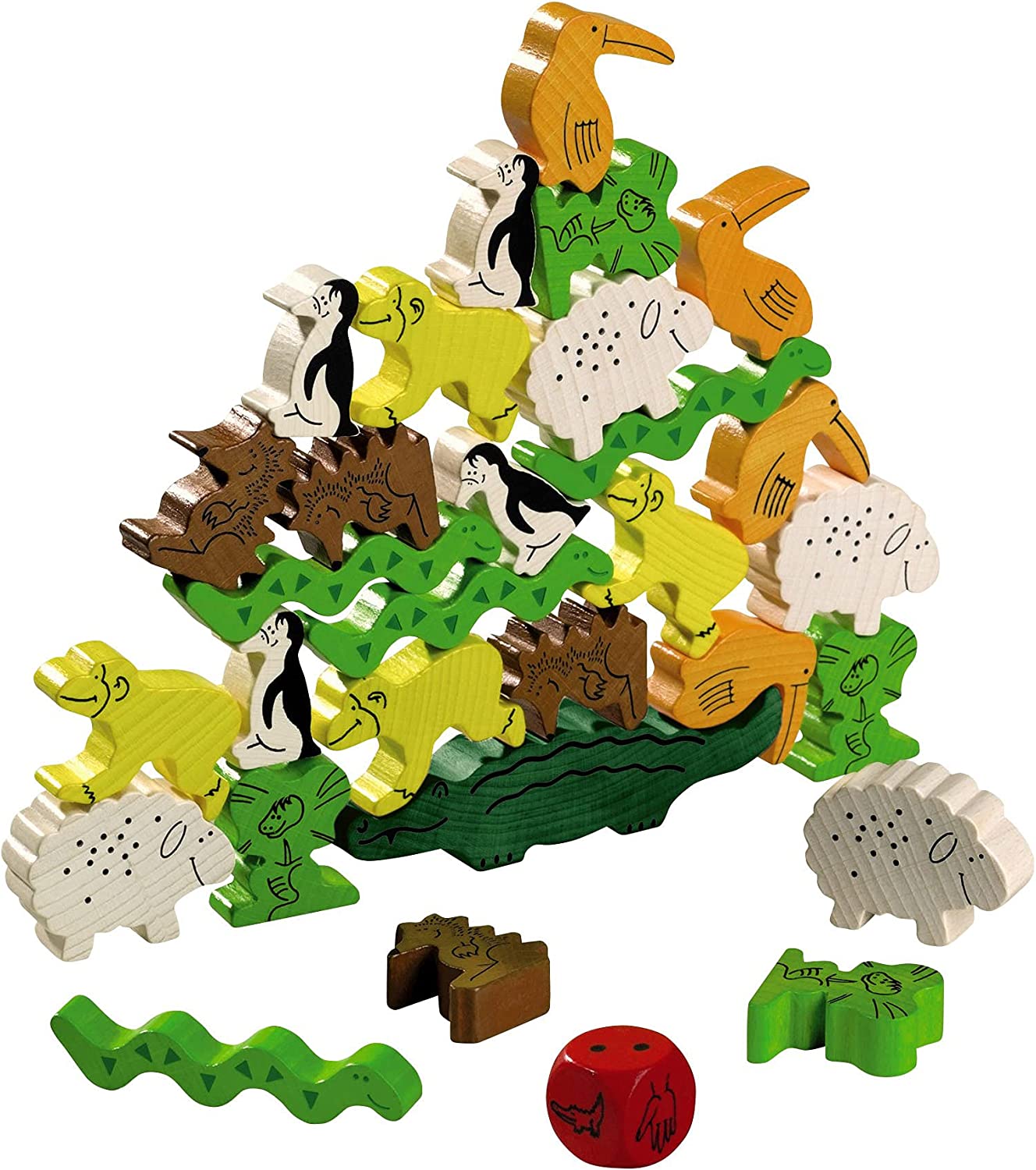
HABA Animal Upon Animal

HABA Animal Upon Animal

Award-winning wooden stacking game

Shop Toys
Non-Toxic
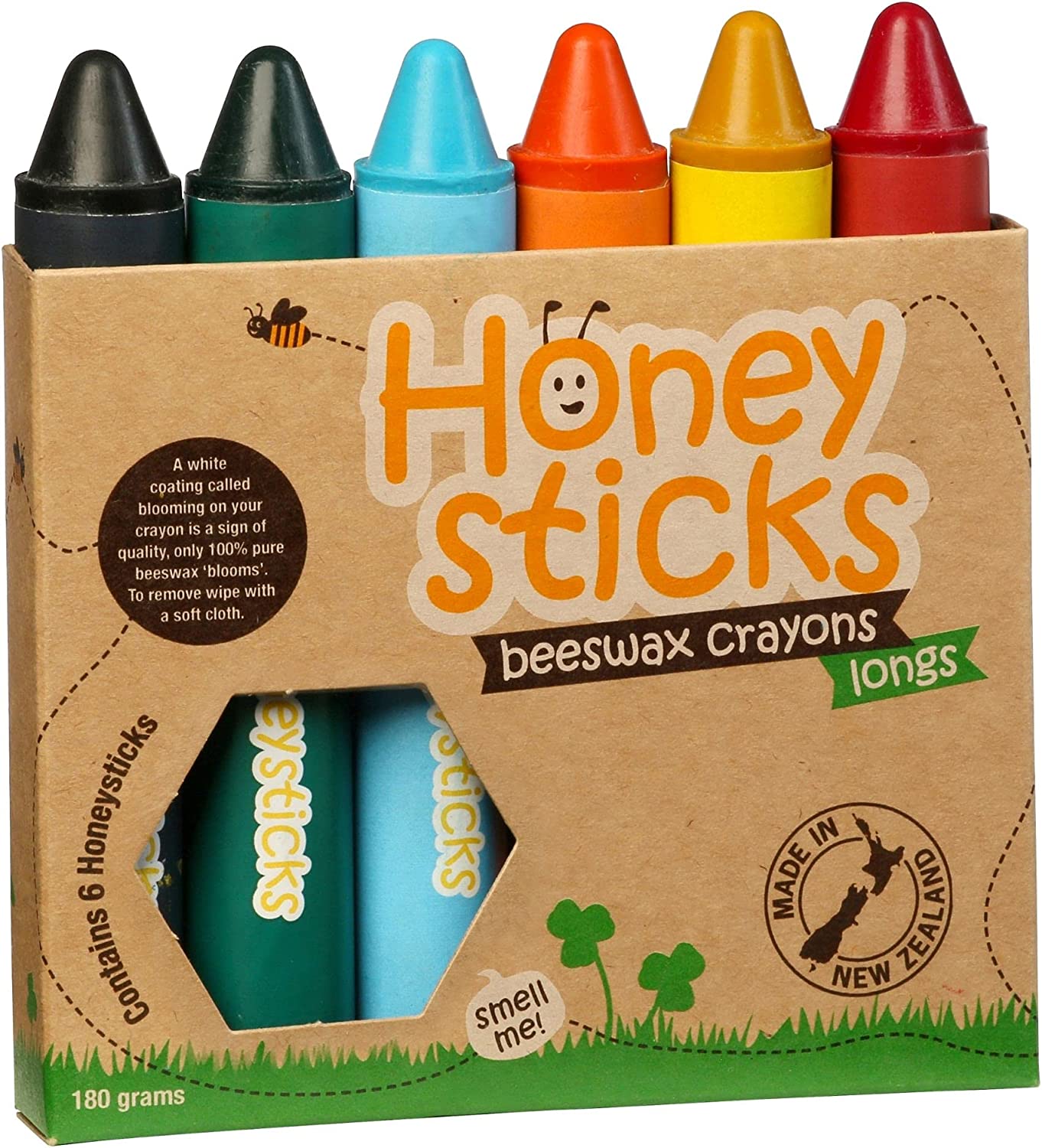
Honeysticks Beeswax Crayons

Honeysticks Beeswax Crayons

100% pure beeswax, non-toxic

Shop Art Supplies
Best Seller
Ergobaby Omni 360 Carrier

Ergobaby Omni 360 Carrier

Ergonomic all-position carrier

Shop Gear

Looking for Book Recommendations?

Explore our curated library of children's books handpicked by a child psychologist.

Browse the Library

From the Mailbag

View All Questions
Emotions• Ages 3-5

My child has intense meltdowns over seemingly small things. How can I help them regulate their emotions?

What seems small to adults can feel enormous to a child whose brain is still developing emotional regulation. The key is to help children build these skills over time while staying connected during difficult moments. During a meltdown, staying calm (adult regulation helps regulate the child), ensuring safety, and offering presence without too many words is often most effective. Afterward, when the child is calm, helping them name what happened: 'You were really disappointed when the tower fell' builds emotional vocabulary. Teaching coping strategies during calm times—deep breaths, counting, squeezing a stress ball—and practicing them together prepares children for future challenges. Creating a 'calm down corner' with sensory tools gives them a designated space. Over time, children typically start using these strategies independently. If meltdowns are frequent, intense, or not improving with these approaches, consulting a child psychologist may be helpful.

Read Dr. Ely's Answer
Nutrition• Ages 3-5

My 4-year-old will only eat about 5 foods. I'm worried about nutrition. How do I expand their diet?

Selective eating is incredibly common in preschoolers and usually resolves with time and patience. The key is to reduce pressure around eating while consistently exposing children to new foods. Serving at least one 'safe' food at every meal ensures the child has something to eat, while also including new foods without requiring them to try them. Letting children interact with new foods in low-pressure ways—helping prepare them, touching them, or just having them on the plate—can gradually increase acceptance. Avoiding making separate meals or becoming a short-order cook is important. Family meals where children see others enjoying variety are powerful. Most importantly, keeping mealtimes pleasant and pressure-free tends to yield the best results, as forcing or bribing often backfires.

Read Dr. Ely's Answer
Sleep• Ages 2-4

My 3-year-old keeps getting out of bed multiple times before falling asleep. We've tried everything from rewards to consequences. What else can we do?

This is such a common challenge for families with young children! When a child repeatedly gets out of bed, it often signals that they need more connection time before sleep or that the bedtime routine needs adjustment. Many families find success by adding 10-15 minutes of calm, one-on-one time right before bed—reading together, gentle back rubs, or quiet conversation. A 'bedtime pass' system can also help, where the child gets one or two passes to use for legitimate needs (water, bathroom, one more hug), which gives them some control while setting clear limits. Consistency is key—calmly and boringly returning the child to bed each time without engaging in conversation or negotiation tends to work best over time.

Read Dr. Ely's Answer

Illumination Toolbox

Curated resources to help your family thrive

Browse All Resources
Support

NAMI Family Support Groups

NAMI

Free peer-led support groups for family members of people living with mental illness. Available in-person and virtually across the country.

Visit Resource
Directory

Psychology Today - Find a Therapist

Psychology Today

Searchable directory of therapists, psychologists, and counselors. Filter by specialty, insurance, and location to find the right fit for your family.

Visit Resource
Podcast

Unruffled with Janet Lansbury

Janet Lansbury

Janet Lansbury shares her respectful parenting philosophy, helping parents respond calmly and confidently to challenging behaviors from toddlers through elementary age.

Visit Resource
Website

Zero to Three

Zero to Three

Science-based resources on early childhood development from birth to age 3. Covers brain development, social-emotional growth, and early learning.

Visit Resource

Join 52,743 Weekly Readers

Get weekly tips and inspiration delivered to your inbox.

About

Illumination + Inspiration is dedicated to empowering parents with expert guidance and practical strategies for raising happy, confident children.

© 2026 Mighty Jo, LLC. All rights reserved.

DISCLAIMER: THIS WEBSITE DOES NOT PROVIDE MEDICAL ADVICE. The information contained on this website is for informational purposes only. No material on this site is intended to be a substitute for professional medical advice, diagnosis or treatment. Always seek the advice of your physician or other qualified health care provider with any questions you may have regarding a medical condition.

🍪

We value your privacy

We use cookies to enhance your browsing experience, analyze site traffic, and provide personalized content. By clicking "Accept All", you consent to our use of cookies. Learn more