Toxins in Toys? Oh My!
Share This Article
When my daughter was two, I watched her contentedly chewing on a bright yellow rubber duck during bath time. It was an innocent moment—until I learned what that duck was likely made of. That discovery sent me down a research rabbit hole that fundamentally changed how I think about the toys we bring into our home.
As a child psychologist, I spend my days thinking about child development. But it wasn't until I started researching toy safety that I realized how much the physical environment—including the very objects our children play with—can impact their developing brains and bodies. The science is clear, and it's concerning. But here's the good news: once you understand what to look for, making safer choices becomes surprisingly straightforward.
"The developing brain is exquisitely vulnerable to toxic insults. What we expose children to in their first years can have lifelong consequences."
— Dr. Philip Landrigan, Pediatrician and Epidemiologist, Boston College
The Hidden Chemicals in Your Child's Toy Box
Let me share something that stopped me in my tracks: independent testing by the Ecology Center found that 35% of over 1,200 toys tested contained detectable levels of lead. Seventy-eight percent contained PVC—a plastic that typically requires phthalates to make it soft and flexible. These aren't obscure chemicals found in industrial settings. They're in rubber duckies, teething toys, and the colorful plastic blocks scattered across playroom floors.
The challenge is that children interact with toys differently than adults interact with most products. Babies and toddlers explore the world through their mouths. They chew, suck, and gnaw on toys for hours each day. This oral exploration is developmentally appropriate and important—but it creates a direct pathway for chemicals to enter their bodies.
What makes this particularly concerning is that children's bodies aren't simply smaller versions of adult bodies. Their metabolic systems are immature. They absorb more toxins per pound of body weight. Their developing organs and nervous systems are uniquely vulnerable to chemical disruption. And because they have their whole lives ahead of them, early exposures have more time to manifest as health problems.
Why This Matters
Research has linked environmental toxin exposure not just to neurodevelopmental effects, but also to metabolic disruption and obesity. The science continues to evolve, but the precautionary approach—reducing unnecessary exposures where we can—is a low-risk strategy that aligns with what we know.
Understanding the Specific Toxins
Not all chemicals are created equal, and not all pose the same risks. Here's what the research tells us about the most concerning substances found in children's toys:
Lead
Lead is perhaps the most well-known neurotoxin, and for good reason. There is no safe level of lead exposure for children. Even small amounts can cause irreversible damage to the developing brain, resulting in learning disabilities, behavioral problems, and reduced IQ. Lead was banned from paint in the United States in 1978 and from toys in 2008, but it continues to show up in imported toys—particularly painted wooden toys manufactured in countries with less stringent regulations.
Phthalates
Phthalates are a class of chemicals added to PVC plastic to make it soft and flexible. They're what make rubber duckies squeezable and vinyl dolls pliable. The problem? Phthalates are endocrine disruptors—they interfere with the body's hormone systems. Research has linked phthalate exposure to reproductive abnormalities, developmental delays, and behavioral issues including ADHD-like symptoms. A large-scale study found that children in 13 of 15 countries tested had phthalate levels in their bodies that posed health risks.
Brominated Flame Retardants (PBDEs)
These chemicals are added to foam and upholstered toys to meet flammability standards. While they've been banned in Europe and Canada and are no longer manufactured in the U.S., a legal loophole allows finished products containing them to be imported and sold. PBDEs accumulate in body tissues over time and are linked to thyroid problems, developmental delays, and neurological issues.
BPA (Bisphenol A)
BPA is used in polycarbonate plastics and epoxy resins. It's an endocrine disruptor that mimics estrogen in the body. While many products are now marketed as "BPA-free," some replacements (like BPS and BPF) may pose similar risks. BPA is particularly concerning in toys that babies put in their mouths.
Cadmium
This toxic heavy metal sometimes appears in toy paint, metal components, and toy jewelry. Cadmium is a known carcinogen that accumulates in the body over time, particularly in the kidneys and bones. Children who mouth toys containing cadmium are at risk for both acute and chronic health effects.
Microplastics
This is an emerging concern that's changing how experts think about plastic toys. Microplastics are tiny particles shed from plastic products during normal use—and especially during mouthing. Recent research links microplastic exposure to inflammation and oxidative stress. While we're still learning about long-term effects, the precautionary principle suggests reducing plastic toy exposure where possible.
Expert Tip
Rather than focusing on any single toxin, the goal is reducing overall chemical load. Children are exposed to chemicals from multiple sources—toys, furniture, food, air. Every reduction helps.
"An ounce of prevention is worth a pound of cure."
— Benjamin Franklin
Why Children Are Uniquely Vulnerable
To understand why toy toxins matter so much, we need to understand child development. The first three years of life represent an extraordinary period of brain growth. Neurons are forming connections at a rate of over one million per second. The architecture being built during this window will shape cognition, behavior, and health for a lifetime.
This rapid development comes with a cost: vulnerability. The blood-brain barrier—which protects the adult brain from many toxins—isn't fully developed in young children. Chemicals that an adult body might handle relatively well can cross into a child's developing brain and cause lasting damage.
Then there's the matter of dose. Children eat more food, drink more water, and breathe more air per pound of body weight than adults. A two-year-old mouthing a toy contaminated with lead is getting a proportionally larger dose than an adult handling the same toy. Their smaller bodies mean higher concentrations of whatever they're exposed to.
Finally, there's time. A child exposed to a carcinogen at age two has decades for that exposure to potentially manifest as cancer. A child whose hormone systems are disrupted during critical developmental windows may face reproductive or metabolic consequences that don't become apparent until adulthood. The stakes of early exposure are uniquely high.
By the Numbers
A Framework for Choosing Safer Toys
Now for the practical part. You don't need to throw out every toy in your house or spend a fortune on specialty products. Here's a framework that makes navigating toy safety manageable:
Prioritize What Goes in the Mouth
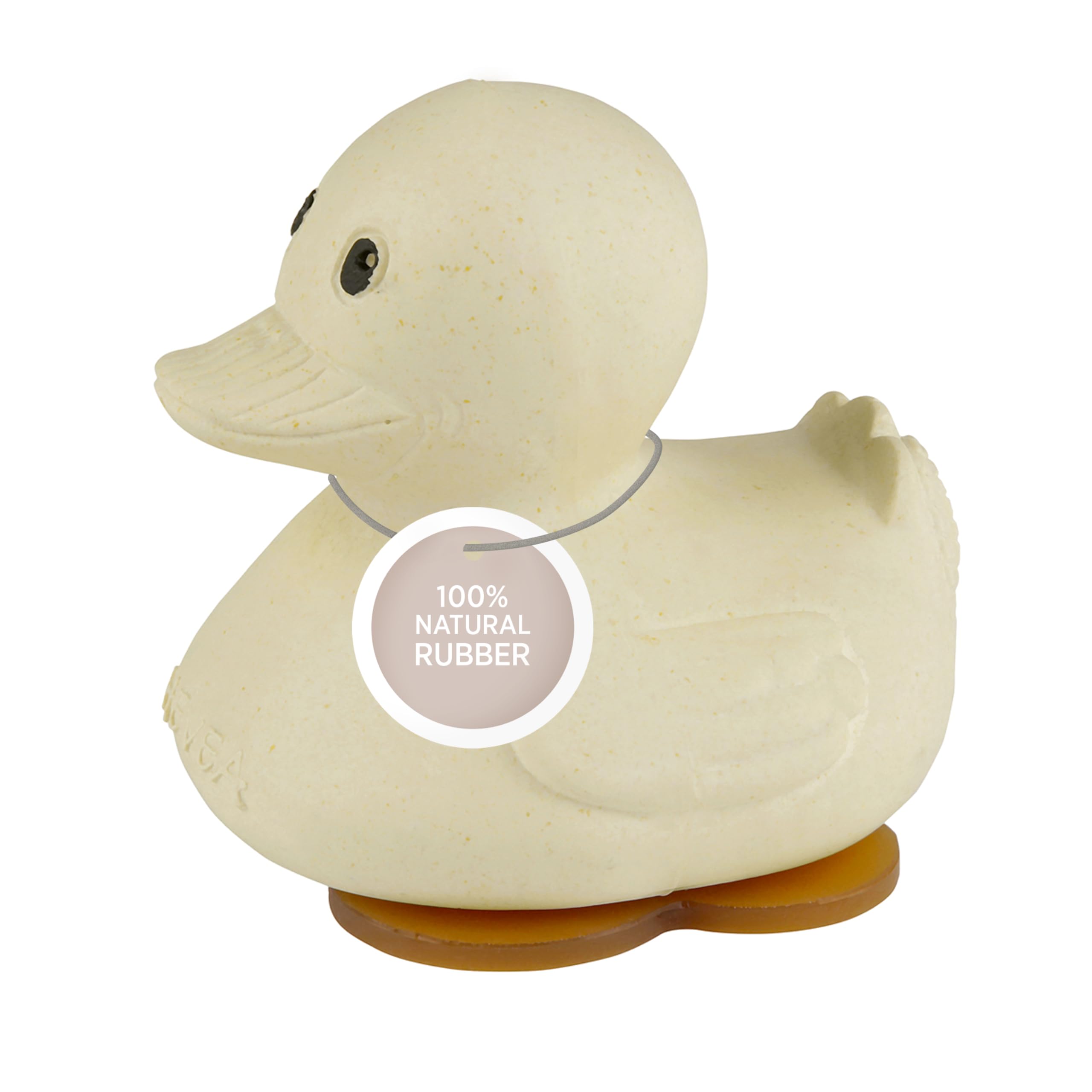
For babies and toddlers, focus your energy on toys that will be mouthed. Teethers, bath toys, and anything a young child is likely to chew should be your highest priority for safety. For these items, invest in brands with transparent safety practices and third-party testing. Natural rubber (like Hevea), food-grade silicone, and untreated wood are excellent choices.
Be Skeptical of Painted Imports
Unless a painted wooden toy is made in the United States or Europe, or comes from a brand you've thoroughly vetted, approach with caution. Lead paint bans aren't enforced globally, and testing has repeatedly found lead in imported painted toys. When in doubt, choose unpainted wood or toys finished with water-based stains rather than paints.
Avoid Soft Plastics and PVC
If a toy is soft and squeezable plastic, it likely contains PVC and phthalates. The classic rubber ducky? Usually PVC. Soft vinyl dolls? PVC. That strong "new plastic" smell? Often off-gassing phthalates. Look for toys labeled "PVC-free" or choose alternatives made from natural rubber, silicone, or fabric.
Reduce Plastic Overall
Even "safer" plastics like polypropylene and ABS (used in Lego) shed microplastics during use. While these plastics don't contain phthalates or BPA, the emerging research on microplastics suggests reducing plastic toys where practical. This doesn't mean eliminating all plastic—it means being thoughtful about the balance.
Trust Your Nose
If a toy has a strong chemical smell, that's volatile organic compounds (VOCs) off-gassing. It's a sign of potentially harmful chemicals. I don't bring strongly-scented toys into our home, period. This simple test eliminates many problematic products.
Look for Certifications
Third-party certifications provide some assurance of safety. Look for GREENGUARD Gold, GOTS (Global Organic Textile Standard), and OEKO-TEX 100. European CE marking and US CPSC compliance are baseline standards—necessary but not sufficient for the highest safety.
Keep Perspective
Perfection isn't the goal—progress is. You can't control every exposure, and trying to do so creates its own stress. Focus on the highest-impact changes: what goes in the mouth, reducing soft plastics, and choosing quality over quantity.
"The question is not whether chemicals can affect children's health—the research is clear that they can. The question is what we choose to do with that knowledge."
— American Academy of Pediatrics Policy Statement on Chemical Exposures, 2012
Brands I Trust
After extensive research, these are brands that consistently meet high safety standards. They're not the only safe options, but they're reliably transparent about their materials and testing:
What I Actively Avoid
Just as important as knowing what to choose is knowing what to skip. These categories consistently show up as problematic in testing:
Making This Work on a Budget
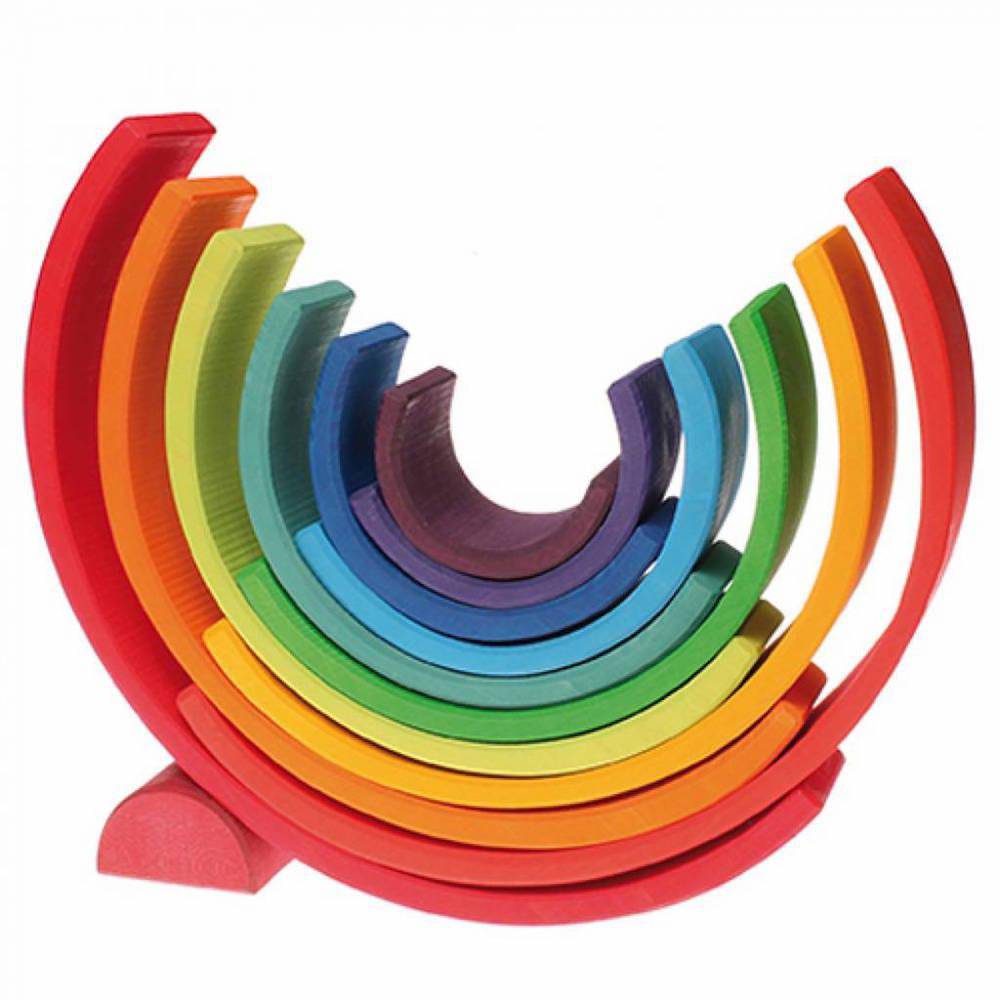
I want to be honest: many of the safest toys cost more than their conventional counterparts. A Grimm's rainbow stacker costs significantly more than a plastic one from a big-box store. This creates a real equity issue—families with fewer resources face higher exposure to environmental toxins across many domains, including toys.
Here's how I help families navigate this reality:
Buy secondhand strategically. Wooden toys from reputable brands are excellent secondhand purchases. They don't off-gas like plastic, and quality wooden toys last for generations. I've found beautiful Hape and PlanToys items at consignment shops and online marketplaces for a fraction of retail price. Avoid secondhand plastic toys unless you can verify the brand and safety.
Focus on quality over quantity. Research consistently shows that children play more creatively with fewer, higher-quality toys. One safe wooden block set provides more developmental value than a dozen cheap plastic toys. Rotate toys monthly to keep play fresh without accumulating more stuff.
Use toy libraries. Many communities have toy lending libraries where you can borrow toys for free or low cost. This lets you try toys before buying and reduces consumption overall.
Make DIY toys. Some of the best toys aren't toys at all. Wooden spoons, pots and pans, fabric scraps, cardboard boxes—these are free, completely safe, and often more engaging than commercial toys. Nature provides endless play materials: sticks, stones, leaves, pinecones.
Request safe toys as gifts. When family asks what to buy for birthdays and holidays, provide specific suggestions from safe brands. Many grandparents are happy to invest in quality toys when they understand the reasoning.
Expert Tip
Consider doing a "toy audit" once a year. Remove broken toys, donate outgrown items, and assess what's left. Often, reducing quantity reveals that you need to buy less going forward—which makes investing in quality more feasible.
What I Do in My Own Home
I want to share my personal approach, not as a prescription, but as one example of how these principles can work in practice.
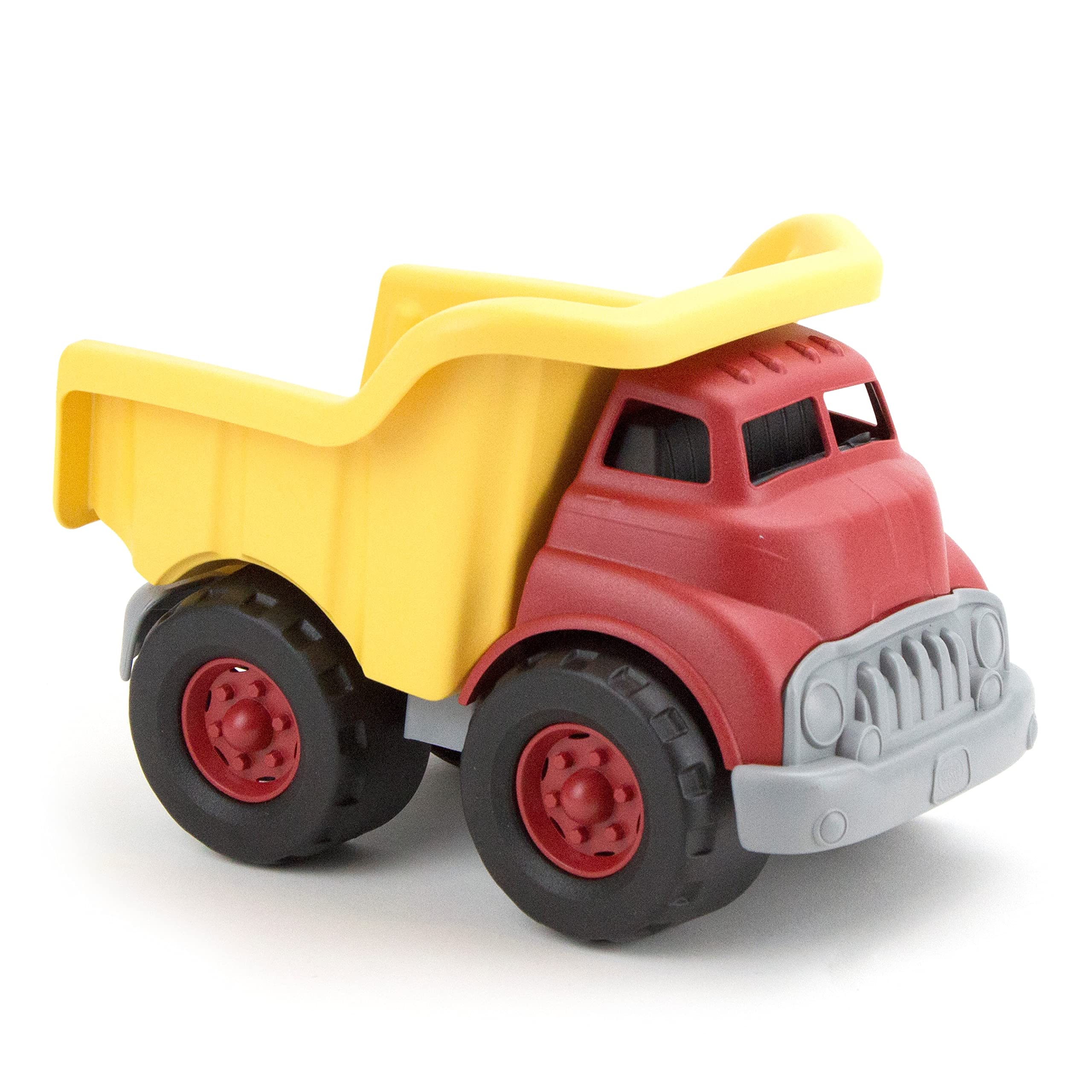
For my daughter's first two years, I was extremely careful about what went in her mouth. Her teethers were natural rubber from Hevea. Her bath toys were from Begin Again. The few plastic items we had were from Green Toys. I didn't stress about every single toy, but I prioritized the ones she was most likely to chew.
As she's gotten older, I've relaxed somewhat—but I still avoid soft plastics and PVC. We have some Lego (ABS plastic, which is safer), but I've consciously reduced plastic toys overall. Our playroom is mostly wood, fabric, and natural materials.
I check for third-party certifications and avoid anything with a strong chemical smell. If I can't find safety information about a toy, I don't buy it. When we receive gifts that don't meet our standards, I quietly donate them rather than creating conflict with well-meaning family members.
I rotate toys every few months rather than having everything out at once. This reduces clutter, keeps play fresh, and means fewer potentially problematic items in our environment at any given time.
Most importantly, I don't aim for perfection. We live in a world full of chemicals, and complete avoidance isn't possible. What I can do is make informed choices that reduce unnecessary exposure while still letting my daughter have a joyful, play-filled childhood.
The Bottom Line
Choosing safer toys doesn't mean your child can't have fun. In fact, research suggests that simpler, natural toys often lead to more creative, imaginative play than complex plastic alternatives. By making informed choices, you're protecting your child's developing brain and body while supporting companies that prioritize safety. Remember: the goal isn't perfection—it's progress. Every reduction in toxin exposure matters. Start with what goes in the mouth, reduce soft plastics where you can, and invest in quality over quantity. These changes are manageable, and they make a real difference. As a child psychologist, I think about development constantly. And I've come to believe that the physical environment we create for our children—including the toys we choose—is an underappreciated part of supporting their growth. It's not the only thing that matters, but it matters. That rubber duck my daughter was chewing years ago? It's long gone, replaced by a natural rubber version she loves just as much. Small changes, made consistently, add up to meaningful protection for the children we love.
Enjoying this article?
Get more parenting insights, product recommendations, and exclusive content delivered to your inbox.
Key Takeaways
- 1Many common toys contain harmful chemicals including lead, phthalates, and flame retardants that can affect developing brains and bodies
- 2Children are uniquely vulnerable due to mouthing behavior, higher absorption rates, and developing organ systems
- 3Prioritize safety for toys that go in the mouth—teethers, bath toys, and items for babies and toddlers
- 4Avoid soft plastics (PVC), painted imports from unknown sources, and toys with strong chemical smells
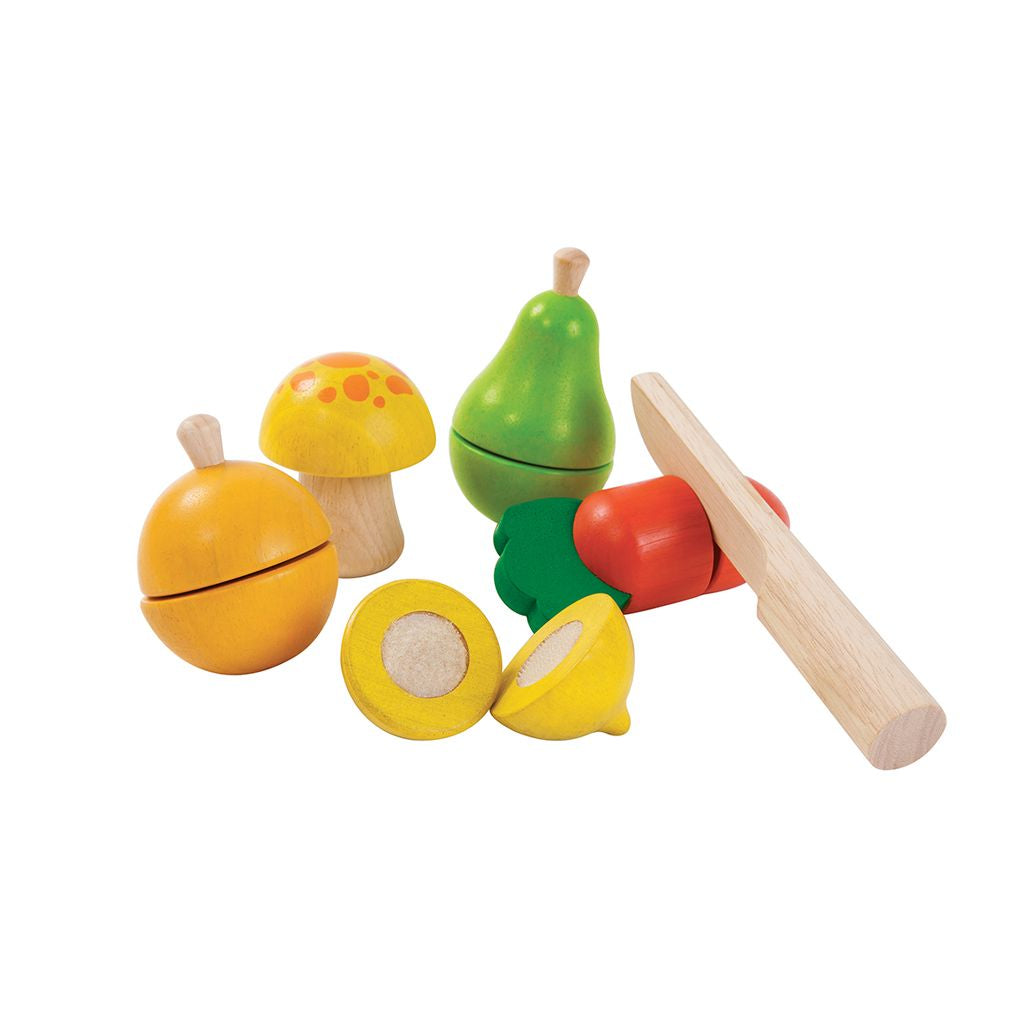
- 5Trusted brands include PlanToys, Grimm's, Hape, Green Toys, Hevea, and Apple Park
- 6Quality over quantity: fewer safe toys beat many questionable ones, and secondhand safe toys are budget-friendly