How to Talk to Your Child About ADHD
Share This Article
The moment a child receives an ADHD diagnosis, parents face a question that can feel overwhelming: How do I explain this to my child? The words we choose in this conversation matter enormously. Research shows that how children understand their ADHD shapes their self-concept, their willingness to seek help, and their resilience in facing challenges for years to come.
As a child psychologist, I've guided hundreds of families through this conversation. What I've learned is that there's no single "right" script—but there are principles grounded in developmental psychology and clinical research that can help parents navigate this moment with confidence. The goal isn't to deliver a perfect explanation. It's to begin an ongoing dialogue that helps your child develop a healthy, empowered understanding of how their brain works.
"The children who need love the most will always ask for it in the most unloving ways."
— Dr. Russell Barkley, Clinical Psychologist and ADHD Researcher
Why This Conversation Matters
Children are remarkably perceptive. Long before any formal diagnosis, most children with ADHD sense that something is different about them. They notice that tasks their peers handle easily feel impossibly hard. They see the frustration on teachers' faces. They hear the sighs from parents. Without an explanation, children often fill this gap with their own conclusions—and those conclusions are rarely kind. "I'm stupid." "I'm bad." "Something is wrong with me."
A thoughtful conversation about ADHD gives children an alternative narrative. Instead of "I can't pay attention because I'm lazy," they can understand "My brain is wired to notice everything at once, which is amazing sometimes and challenging other times." This reframe isn't about making excuses—it's about accuracy. And accuracy, research shows, leads to better outcomes.
Studies from the Journal of Attention Disorders found that children who understand their ADHD diagnosis show improved self-esteem and are more likely to engage with treatment strategies. They're also better equipped to advocate for themselves as they grow older. The conversation you have today plants seeds for the self-awareness and self-advocacy your child will need throughout their life.
Timing Matters
Choose a calm, private moment when neither you nor your child is stressed or rushed. Avoid having this conversation right after a difficult incident or when emotions are running high. Many families find that a quiet weekend morning or a relaxed evening works well.
Understanding ADHD: What the Science Actually Says
Before talking to your child, it helps to ground yourself in what ADHD actually is—and isn't. Many misconceptions persist, even among well-meaning adults. Here's what current neuroscience tells us:
It's Not a Deficit of Attention
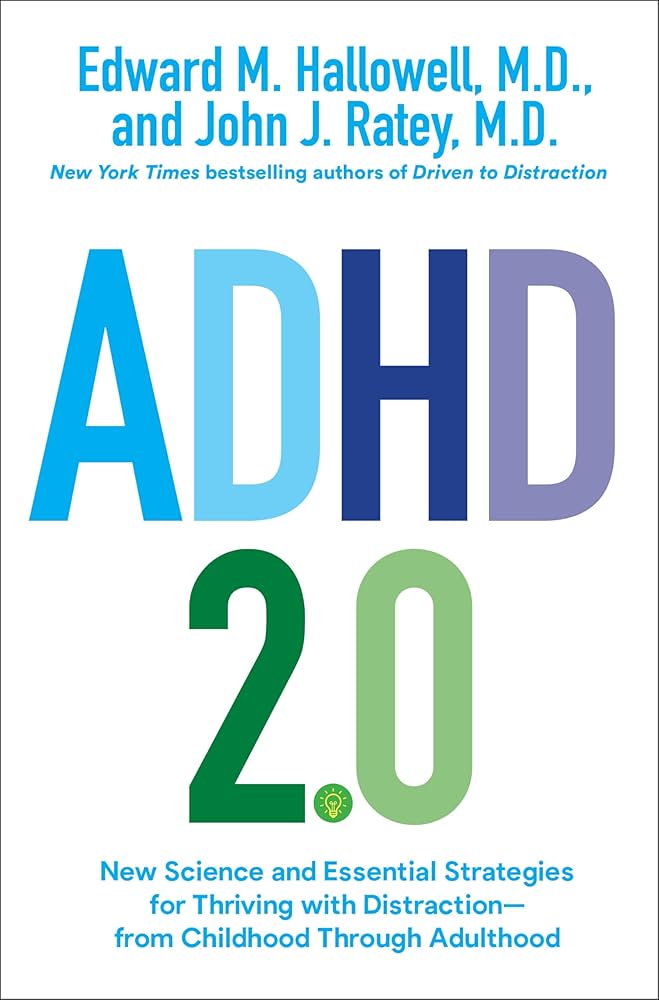
The name "Attention Deficit Hyperactivity Disorder" is actually misleading. Children with ADHD don't lack attention—they have difficulty regulating it. They may hyperfocus intensely on activities they find engaging while struggling to sustain attention on tasks that feel boring or unrewarding. Dr. Edward Hallowell describes it as having "a Ferrari engine with bicycle brakes." The power is there; the control system is still developing.
Executive Function Differences
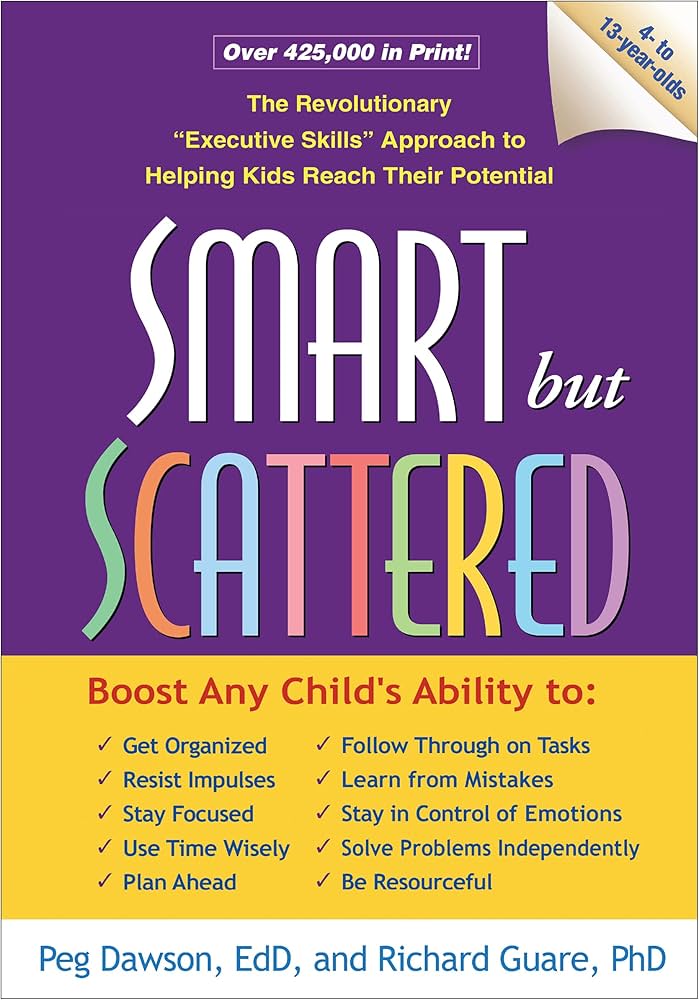
ADHD is fundamentally a disorder of executive function—the brain's management system. Executive functions include working memory (holding information in mind), impulse control, emotional regulation, planning, and organization. Research using brain imaging shows that the prefrontal cortex, which governs these functions, develops more slowly in children with ADHD. This isn't a character flaw; it's neurobiology.
The Role of Dopamine
ADHD brains process dopamine—a neurotransmitter involved in motivation and reward—differently than neurotypical brains. This explains why children with ADHD often seek high-stimulation activities and struggle with tasks that don't provide immediate feedback or reward. It's not that they don't want to do their homework; their brain isn't providing the neurochemical motivation that makes sustained effort feel possible.
Emotional Dysregulation
While not part of the official diagnostic criteria, emotional dysregulation is increasingly recognized as a core feature of ADHD. Children with ADHD often experience emotions more intensely and have difficulty modulating their emotional responses. A small frustration can feel overwhelming; excitement can become uncontainable. This isn't drama or manipulation—it's how their nervous system processes emotional information.
Expert Tip
When explaining ADHD to your child, focus on the "what" before the "why." Children don't need to understand neurotransmitters—they need to understand their own experience. Start with what they've noticed about themselves, then provide context.
"ADHD is not about knowing what to do, but about doing what you know."
— Dr. Russell Barkley
The Five-Step Framework for the Conversation
Drawing on research from CHADD (Children and Adults with Attention-Deficit/Hyperactivity Disorder) and clinical best practices, here's a framework that helps parents navigate this conversation effectively:
Start with Their Experience
Begin by acknowledging something your child has noticed or struggled with—in their words, not clinical language. Instead of "You have trouble paying attention," try "You know how you were saying that it's really hard to remember all the steps for your homework?" This approach validates their experience and signals that you're here to help, not to criticize. It also gives them ownership of the conversation from the start.
Lead with Strengths
Before discussing challenges, highlight what makes your child's brain wonderful. "I learned that your brain is built in a way that makes some things come really easily to you—like coming up with creative ideas, or noticing things other people miss, or being really passionate about things you love." Use specific examples from their life. This isn't false praise; research confirms that ADHD brains often excel in creativity, divergent thinking, and hyperfocus on engaging tasks.
Name the Challenges Honestly
Children know when adults are sugarcoating. After discussing strengths, acknowledge the challenges directly: "I also learned that some things are trickier for brains like yours—like waiting your turn to talk, or staying focused on things that feel boring, or keeping track of all your stuff." Naming challenges validates their struggle and opens the door to problem-solving together.
Introduce ADHD as a Pattern
Now you can introduce the term: "It turns out, lots of people have brains that work this way—with these same strengths and these same challenges. There's a name for this pattern: ADHD." Framing ADHD as a pattern rather than a disorder or disease helps children see it as a description, not a limitation. Many children feel relieved to learn there's a name for their experience and that they're not alone.
Emphasize Support and Agency
End by focusing on what comes next: "Now that we understand how your brain works, we can figure out strategies that help. Some kids find that certain tools or routines make things easier. We're going to work on this together." This gives your child hope and agency. They're not broken and waiting to be fixed—they're learning to work with their unique brain.
Expert Tip
This conversation isn't one-and-done. Plan for it to be the first of many discussions. Children's understanding deepens over time, and their questions will evolve as they grow. Keep the door open for ongoing dialogue.
Age-Appropriate Language
How you explain ADHD should match your child's developmental level. A six-year-old needs different language than a twelve-year-old.
For young children (ages 4-7): Keep it concrete and simple. Use metaphors they can visualize. "Your brain is like a race car—super fast and powerful! But sometimes race cars need help slowing down and staying on the track. We're going to learn some tricks to help your race car brain." Avoid abstract concepts and focus on their immediate experience.
For school-age children (ages 8-12): You can be more direct and detailed. "ADHD stands for Attention Deficit Hyperactivity Disorder, but that name is kind of confusing. It really means your brain works differently in some ways—you might notice everything happening around you at once, or feel like you have so much energy it's hard to sit still, or find it really hard to do boring stuff even when you know you should." At this age, children can begin to understand that ADHD affects different people differently.
For teenagers (ages 13+): Teens can handle—and often want—more scientific information. Discuss the neuroscience, the genetics, the research. Involve them in decisions about treatment. Teens are also grappling with identity, so conversations about ADHD should acknowledge both the challenges and the many successful adults who have ADHD. This is also a good time to discuss self-advocacy skills they'll need in high school and beyond.
What NOT to Say
- ✗"There's something wrong with your brain" — Frame it as difference, not defect
- ✗"You just need to try harder" — ADHD is not a motivation problem
- ✗"This is why you're always in trouble" — Avoid blame and shame
- ✗"Don't tell anyone about this" — Secrecy implies shame
- ✗"You'll grow out of it" — While symptoms may change, ADHD is lifelong for most people
"Fear shuts people down. When you feel safe, your brain is free to soar. When you feel in danger, your brain goes into survival mode, not peak performance mode."
— Dr. Edward Hallowell, Psychiatrist and ADHD Expert
Addressing Common Questions and Concerns
Children often have questions after learning about their ADHD. Here are some common ones and how to address them:
"Does this mean I'm stupid?" This is perhaps the most important question to address clearly. "Absolutely not. ADHD has nothing to do with how smart you are. In fact, many people with ADHD are incredibly smart and creative. Your brain just works differently in some ways—it's not better or worse, just different."
"Will I have this forever?" Be honest but hopeful. "ADHD is part of how your brain is built, so yes, it will always be part of you. But here's the good news: as you get older, you'll learn more and more strategies to work with your brain. Many adults with ADHD do amazing things—they're artists, scientists, entrepreneurs, athletes. They've learned to use their unique brains as a strength."
"Why do I have to take medicine?" If medication is part of your child's treatment plan, explain it matter-of-factly. "The medicine helps your brain work the way you want it to. It's like glasses for someone who has trouble seeing—it doesn't change who you are, it just helps your brain do what you're asking it to do." Always emphasize that medication is a tool, not a cure, and that it works best alongside other strategies.
"Can I tell my friends?" This is your child's information to share or not share. "That's completely up to you. Some kids like to tell their close friends because it helps their friends understand them better. Other kids prefer to keep it private. There's no right or wrong answer—it's your choice."
Expert Tip
If your child doesn't have questions right away, that's okay. They may need time to process. Let them know they can come to you with questions anytime, and check in periodically to see if anything is on their mind.
Building a Supportive Environment
Beyond the initial conversation, creating an environment that supports your child's ADHD brain makes a tremendous difference. Here are evidence-based strategies:
When the Conversation Doesn't Go as Planned
Sometimes, despite our best efforts, the conversation doesn't unfold the way we hoped. Your child might react with anger, denial, or tears. They might shut down and refuse to talk. They might seem fine in the moment but act out later. All of these responses are normal.
If your child gets angry: Anger often masks fear or hurt. Stay calm and validate the emotion: "I can see you're really upset about this. It's okay to feel angry. I'm here when you're ready to talk more." Don't force the conversation to continue—give them space to process.
If your child denies having ADHD: Some children, especially older ones, resist the diagnosis. This is often about identity and not wanting to be "different." Don't argue. Instead, focus on the specific challenges they've experienced: "I hear that you don't like this label. We don't have to use it if you don't want to. But I do want to help with the things that have been hard for you, like remembering your assignments. Can we work on that together?"
If your child seems indifferent: Some children shrug off the conversation with apparent unconcern. This doesn't mean they didn't hear you—they may just need time to process. Check in again in a few days: "I've been thinking about our conversation. Do you have any questions or anything you want to talk about?"
If your child becomes sad or scared: Reassurance is key. "I know this is a lot to take in. But here's what I want you to know: nothing about you has changed. You're still the same amazing kid you were yesterday. We just understand you a little better now, and that's going to help us help you."
Expert Tip
Your own emotional regulation matters. Children pick up on parental anxiety. If you're feeling overwhelmed about your child's diagnosis, consider talking to a therapist yourself before having the conversation with your child. Your calm confidence will help them feel safe.
The Ongoing Journey
Explaining ADHD to your child isn't a single conversation—it's the beginning of an ongoing dialogue that will evolve as your child grows. There will be good days and hard days. There will be moments of frustration and moments of breakthrough. Through it all, your child needs to know that ADHD is just one part of who they are, not the whole story. The most important message you can give your child is this: "I see you. I understand that some things are harder for you. And I believe in you completely." Children who feel understood and supported develop the resilience to face challenges. They learn to advocate for themselves. They discover their strengths and find ways to work with their unique brains. ADHD is not a tragedy. It's not a limitation. It's a different way of being in the world—one that comes with genuine challenges and genuine gifts. Your job as a parent isn't to "fix" your child. It's to help them understand themselves, develop strategies that work for them, and grow into the person they're meant to be. That conversation you're about to have? It's not just about explaining a diagnosis. It's about giving your child a story—a story about a brain that works differently, a family that supports them unconditionally, and a future full of possibility.
Enjoying this article?
Get more parenting insights, product recommendations, and exclusive content delivered to your inbox.
Key Takeaways
- 1Start with your child's own experience and use their language, not clinical terms
- 2Lead with strengths before discussing challenges—ADHD brains have genuine gifts
- 3Frame ADHD as a pattern of how the brain works, not a defect or disease
- 4Adjust your language to your child's developmental level
- 5Make it clear this is the beginning of an ongoing conversation, not a one-time talk
- 6Create an environment that supports your child's unique brain
- 7Seek professional support—you don't have to figure this out alone