Designing a Playroom That Actually Works
Share This Article
When we moved into our new home, I was determined to create the perfect playroom. I spent weeks pinning inspiration photos—beautiful spaces with rainbow shelves and perfectly organized bins. Three months later, I stood in the middle of a chaotic mess wondering where I'd gone wrong. The toys were everywhere, my daughter seemed overwhelmed rather than engaged, and I was constantly redirecting instead of relaxing.
That experience taught me something important: a well-designed playroom isn't about aesthetics or having the "right" toys. It's about understanding how children actually play, what supports their development, and what's realistic for your family. As a child psychologist, I've learned that the most effective play spaces balance simplicity, intentional zones, and materials that feel grounding rather than overstimulating. Here's what actually works.
"Play is the highest form of research."
— Albert Einstein
What a Playroom Is (And Isn't)
A playroom is meant to invite exploration and creativity, support independent and shared play, and offer emotional and sensory balance. It is not a storage unit for every toy, a space that needs constant adult management, or a room designed primarily for aesthetics or social media.
When playrooms are overcrowded or visually loud, children often struggle to engage deeply—and parents end up redirecting more, not less. Research on attention and play consistently shows that fewer, well-chosen materials lead to longer, more creative play sessions than rooms stuffed with options.
The goal isn't perfection. It's creating an environment that supports your child's development while remaining manageable for you. Those two things have to work together, or the playroom becomes a source of stress rather than joy.
Why This Matters
Children who are overwhelmed by too many choices often engage in what researchers call "flitting"—moving quickly from toy to toy without sustained engagement. A thoughtfully designed space with fewer options actually supports deeper, more developmentally beneficial play.
Developmental Principles
A functional playroom supports autonomy (children can access and choose materials independently), imagination (open-ended play over fixed outcomes), and regulation (spaces to move and to retreat).
Best for ages: toddlers through elementary school, with evolving needs as children grow.
A playroom does not eliminate conflict between siblings, guarantee long stretches of independent play, or replace adult connection or guidance. If you're expecting the room to do the regulating, you'll be disappointed. The environment supports regulation—but connection, modeling, and routine are still essential.
As children grow, the same room should shift—from gross motor and pretend play toward creativity, building, and collaborative games. The playroom that works for a two-year-old won't work for a seven-year-old, and that's okay. Build in flexibility from the start.
Skills a Playroom Supports
"The environment is the third teacher."
— Loris Malaguzzi, Reggio Emilia Approach
Organizing by Zones (Not Toy Types)
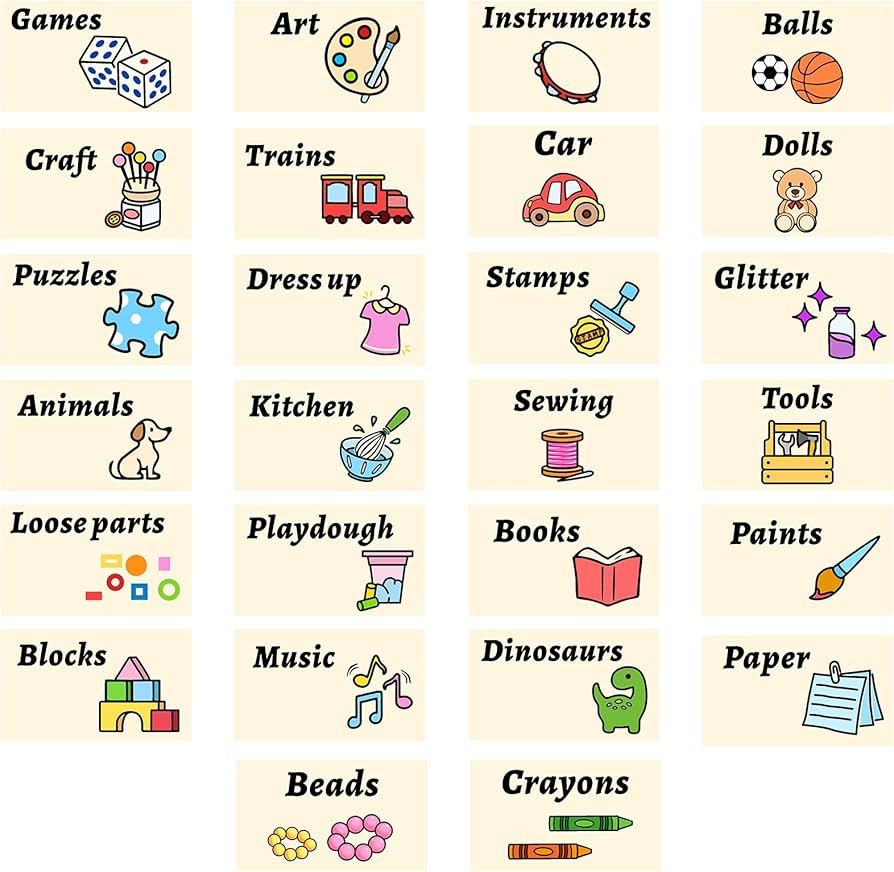
Designing by zones helps children know how to use the space. Rather than organizing by toy type (all the blocks here, all the dolls there), think about what kind of play each area supports:
Creative Zone
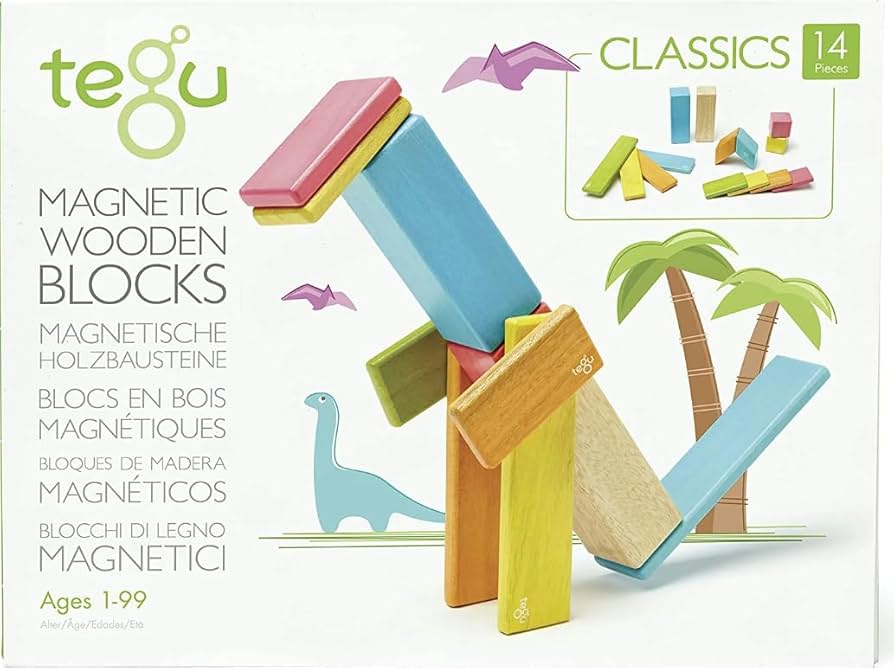
This is where art, building, and making happen. Include a child-sized table, open shelving with art supplies, and building materials like blocks or magnetic tiles. Keep supplies visible and accessible—children are more likely to engage when they can see their options. A small easel or wall-mounted paper roll adds vertical creative space.
Imaginative Zone
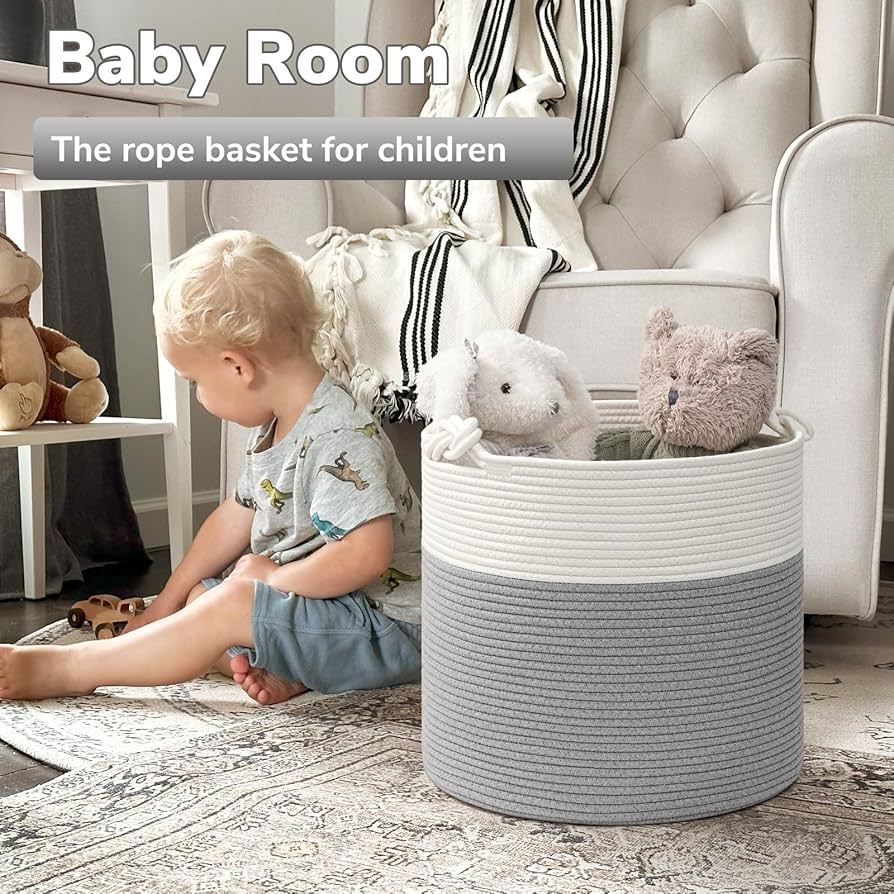
Pretend play and storytelling thrive here. A play kitchen, dress-up corner, or dollhouse anchor this space. Include open-ended props—scarves, baskets, wooden figures—that can become anything. Avoid overly specific toys that limit imagination (a generic wooden vehicle beats a branded character car).
Movement Zone
Children need to move their bodies, especially in spaces where they spend significant time. A small climbing structure, balance board, or tumbling mat gives them appropriate outlets. This zone is especially important for high-energy children or during seasons when outdoor play is limited.
Quiet Zone
Every playroom needs a space for regulation and rest. A cozy corner with cushions, a small bookshelf, and perhaps a tent or canopy creates a retreat. This becomes especially important as children learn to recognize when they need a break. Include sensory tools like a weighted lap pad or calm-down jar for children who benefit from them.
Zone Boundaries
Zones don't need walls—rugs, shelves, or furniture placement are often enough. A round rug under the creative table, a different colored mat in the movement area, and a cozy corner with cushions create clear visual boundaries that help children understand the space.
Materials & Safety Considerations
Because playrooms are high-use spaces where children spend significant time, materials deserve thoughtful attention. This isn't about perfection—it's about reducing unnecessary exposures where it counts most.
Solid Wood Furniture
Solid wood shelving and furniture are durable, non-toxic, and age beautifully. They don't off-gas like particle board or MDF, and they're sturdy enough to handle climbing toddlers. Look for pieces finished with water-based stains or natural oils rather than polyurethane.
Natural Textiles
Cotton, wool, and linen rugs and cushions are breathable and don't contain the flame retardants often found in synthetic fabrics. OEKO-TEX certification indicates testing for harmful substances. Washable options make maintenance realistic.
Particle Board & MDF
These materials often contain formaldehyde-based adhesives that off-gas, especially when new. If budget requires these materials, look for CARB Phase 2 compliant products (lower formaldehyde emissions) and allow new furniture to off-gas in a well-ventilated area before bringing it into the playroom.
Foam Play Mats
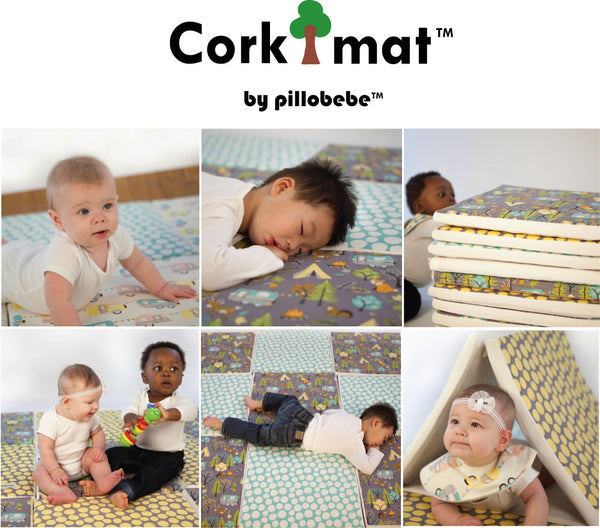
EVA foam mats (the interlocking puzzle mats) can contain formamide, a developmental toxin. Some brands now offer formamide-free options—look for third-party testing. Cork or natural rubber mats are alternatives that don't raise the same concerns.
Organic Living Note
A playroom doesn't need to be "all natural" to be supportive. One or two intentional material upgrades—like better flooring or simpler shelving—often make a bigger difference than replacing everything at once. Start with what children interact with most, not what looks best online.
Emotional & Relational Impact
Playrooms influence how children feel during play. They work best when expectations are clear ("toys stay in their zones"), adults don't constantly interrupt or correct, and clean-up feels manageable and predictable.
A common mistake is expecting the room to do the regulating. The environment supports regulation—but connection, modeling, and routine are still essential. When parents feel calmer about mess and safety, play tends to feel calmer too.
Consider how you'll use the space alongside your child. Is there a comfortable spot for you to sit while they play nearby? Can you see the whole room from one position? These practical considerations affect how often you'll actually use the space together.
The playroom should reduce friction, not create it. If you find yourself constantly saying "don't climb that" or "that doesn't go there," the design needs adjustment—either the furniture, the expectations, or both.
Connection First
The most beautifully designed playroom won't replace your presence. Children play more creatively and for longer when a trusted adult is nearby—even if you're just reading on the couch. Your calm presence is part of the environment.
Furniture & Materials I Recommend
These are products that balance safety, durability, and realistic family budgets. They're not the only good options, but they're reliably solid choices:
What I'd Skip
Just as important as knowing what to choose is knowing what to pass on. These categories consistently create more problems than they solve:
Real-Life Parent Test
Let me be honest about what this actually requires:
Initial setup: Moderate effort. You'll need to think through zones, declutter existing toys, and possibly invest in some furniture. This isn't a weekend project, but it's not a renovation either.
Ongoing maintenance: Moderate. A well-designed playroom is easier to maintain than a chaotic one, but it still requires regular tidying, toy rotation, and occasional reorganization as your child grows.
Best for parents who: Want less chaos without eliminating play. Value independence and creativity. Can tolerate some mess in exchange for engaged play.
Not ideal if: Expectations for order are very high. Adult involvement during transitions is minimal. You're hoping the room will entertain your child without any adult presence.
The playroom supports your parenting—it doesn't replace it. If you're expecting a perfectly organized space that stays that way, you'll be frustrated. If you're hoping for a space that makes play easier and cleanup more manageable, that's achievable.
Honest Effort Assessment
The Bottom Line
A playroom works best when it's designed as a living system, not a finished product. By prioritizing development, emotional flow, and thoughtful material choices, families can create a space that supports play and peace—without constant management. Start with zones, not aesthetics. Reduce quantity before adding anything new. Choose materials thoughtfully where children spend the most time. And remember that your presence in the space matters more than any furniture choice. The playroom I have now looks nothing like those Pinterest boards I saved years ago. It's simpler, less "Instagram-worthy," and infinitely more functional. My daughter plays independently for longer stretches. Cleanup takes minutes instead of an hour. And I actually enjoy being in the space with her. That's what success looks like—not perfection, but a space that works for your actual family.
Enjoying this article?
Get more parenting insights, product recommendations, and exclusive content delivered to your inbox.
Key Takeaways
- 1A well-designed playroom prioritizes development and manageability over aesthetics
- 2Organize by zones (creative, imaginative, movement, quiet) rather than toy types
- 3Fewer, well-chosen toys lead to longer, more creative play sessions
- 4Materials matter most where children spend significant time—prioritize flooring and furniture
- 5The playroom supports regulation but doesn't replace adult connection and modeling
- 6Start with what you have, declutter first, and add intentionally over time