Building a Healthy Snack Station: A Child Psychologist's Guide to Nourishing Independence
Share This Article
"Mom, I'm hungry." If I had a dollar for every time I heard this phrase, I could fund my daughter's college education. The constant snack requests were exhausting—not because I minded feeding her, but because it felt like I was running a 24/7 cafeteria with no breaks.
That exhaustion led me to rethink our entire approach to snacking. As a child psychologist, I knew that children thrive with appropriate autonomy. But I also knew that unlimited access to the pantry would mean a diet of goldfish crackers and fruit snacks. The solution wasn't restriction or unlimited freedom—it was a thoughtfully designed system that gave my daughter real choices within healthy boundaries. Here's what actually works.
"The goal isn't to control what children eat—it's to create an environment where healthy choices are easy choices."
— Dr. Ely
Why Snacking Is Developmentally Important
Before we talk about how to set up a snack station, we need to understand why snacking matters for children—and why the constant requests aren't misbehavior.
Children have smaller stomachs and higher metabolic rates than adults. They genuinely need to eat more frequently. A child who ate a good breakfast at 7am is legitimately hungry by 9:30am—that's not manipulation or poor eating habits, it's physiology.
Beyond physical hunger, snacking serves developmental purposes. It's an opportunity to practice decision-making, self-regulation, and independence. When we control every food decision, we miss chances to build these skills. When we provide no structure, children become overwhelmed and often make choices that leave them feeling poorly.
The sweet spot is what feeding experts call the "division of responsibility": parents decide what foods are available and when eating happens; children decide whether and how much to eat from what's offered. A well-designed snack station operationalizes this principle.
Hunger vs. Boredom
Children often request snacks when they're actually bored, tired, or seeking connection. A snack station doesn't eliminate this—but it does reduce the negotiation. When the answer is always "you can choose something from your snack station," the dynamic shifts from permission-seeking to independent decision-making.
The Psychology of Choice Architecture
The concept of "choice architecture" comes from behavioral economics, but it applies beautifully to feeding children. The idea is simple: how choices are presented influences what people choose.
When a child opens a pantry full of options—some healthy, some less so—they're likely to reach for the most appealing (usually the least nutritious) option. This isn't a character flaw; it's human nature. Adults do the same thing.
A snack station works by pre-curating the choices. Everything in the station is parent-approved. The child has genuine autonomy within those boundaries. This reduces decision fatigue for everyone and eliminates the constant negotiation about what's "allowed."
The key insight: children don't need unlimited options to feel autonomous. They need real choices among acceptable options. Three or four good choices feel just as empowering as twenty—and are far less overwhelming.
Benefits of Structured Snack Autonomy
"Children are remarkably good at regulating their own intake when the options are all acceptable."
— Ellyn Satter, Feeding Expert
Setting Up Your Snack Station
A successful snack station requires thoughtful setup. Here's how to create one that actually works:
Location Matters
The station needs to be genuinely accessible to your child. This might mean a low drawer in the refrigerator, a bottom shelf in the pantry, or a dedicated basket on the counter. If children can't reach it independently, it's not really their station. Consider both refrigerated and shelf-stable options—a drawer in the fridge plus a basket in the pantry works well for most families.
Container Strategy
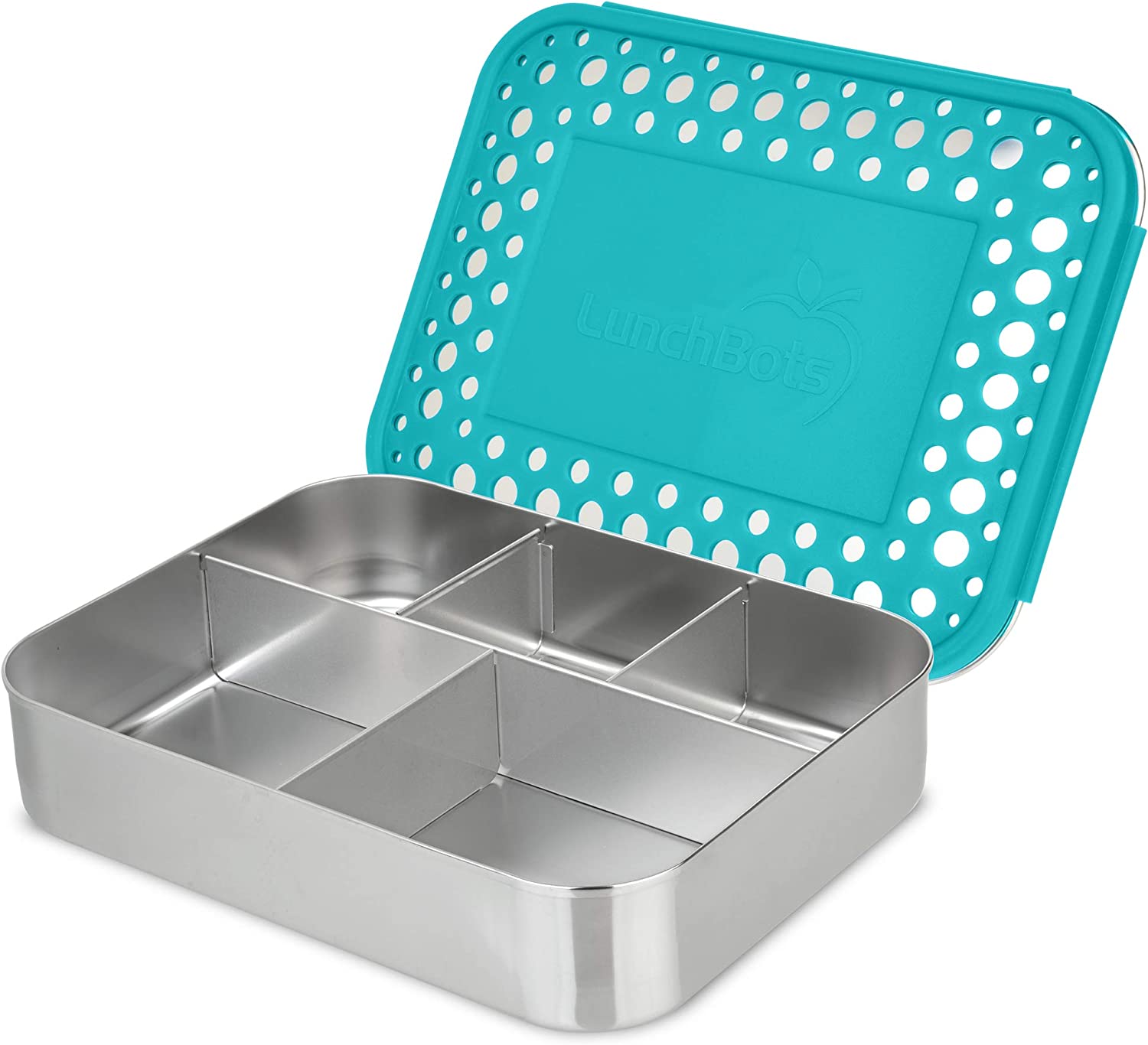
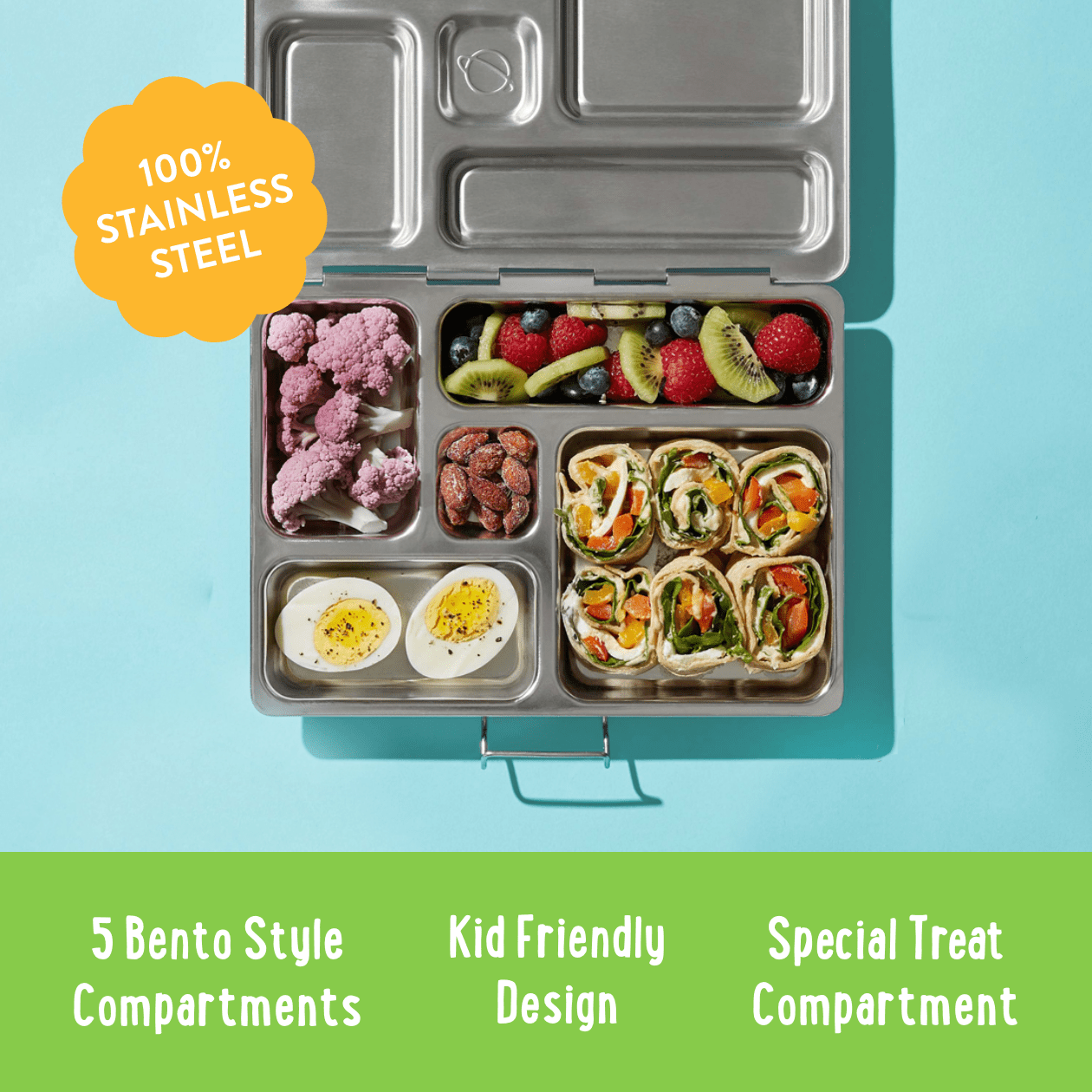
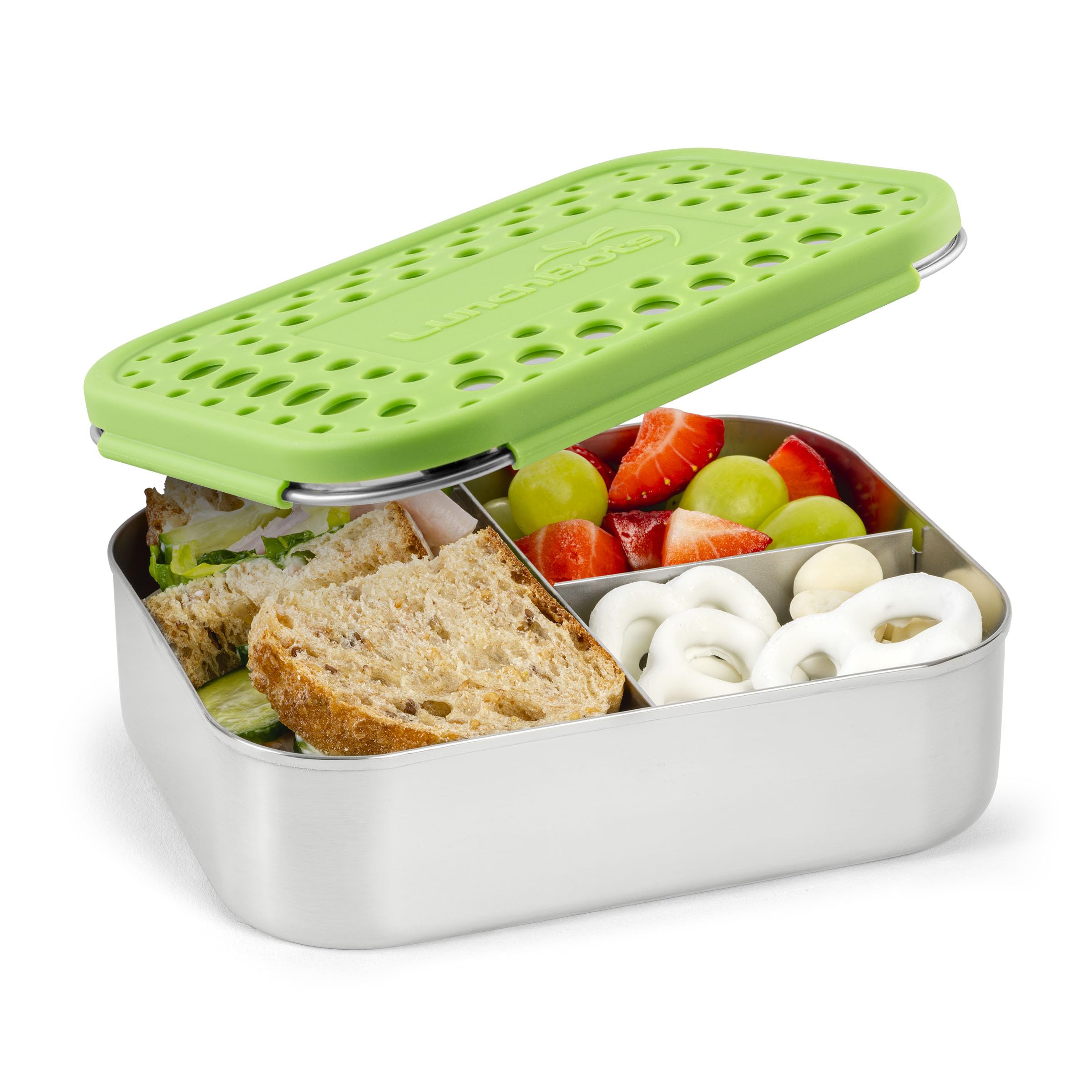
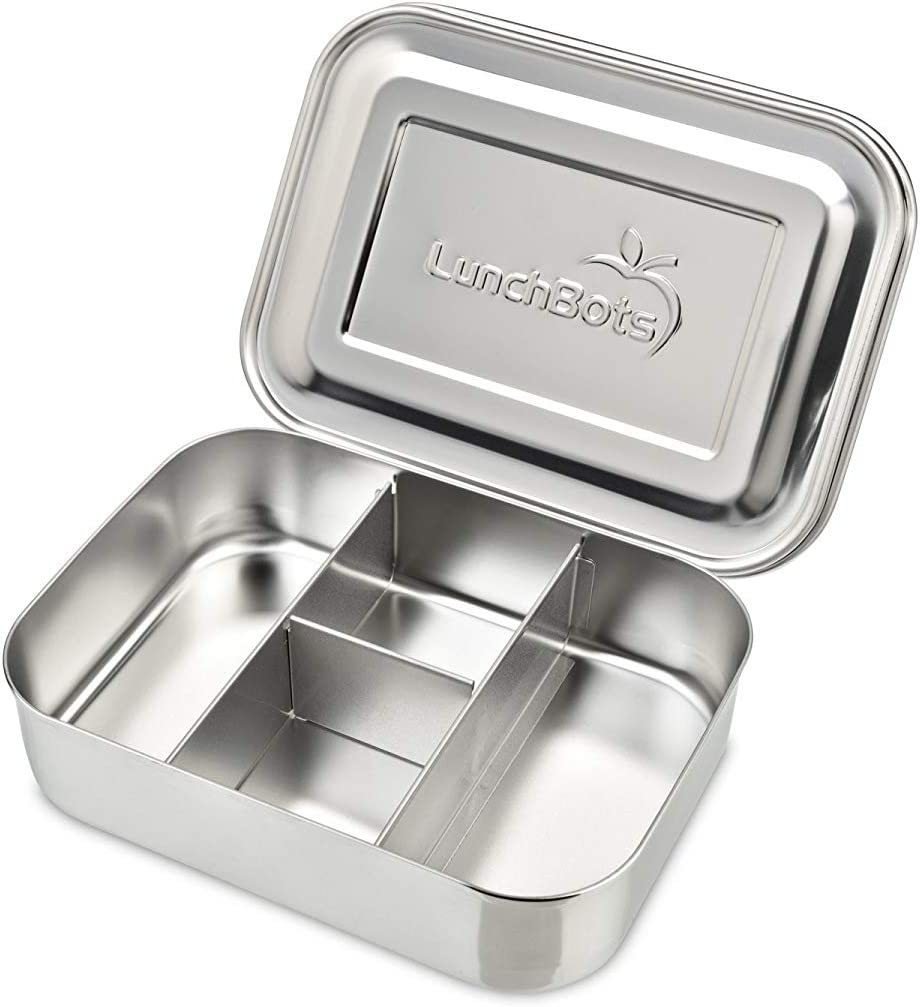
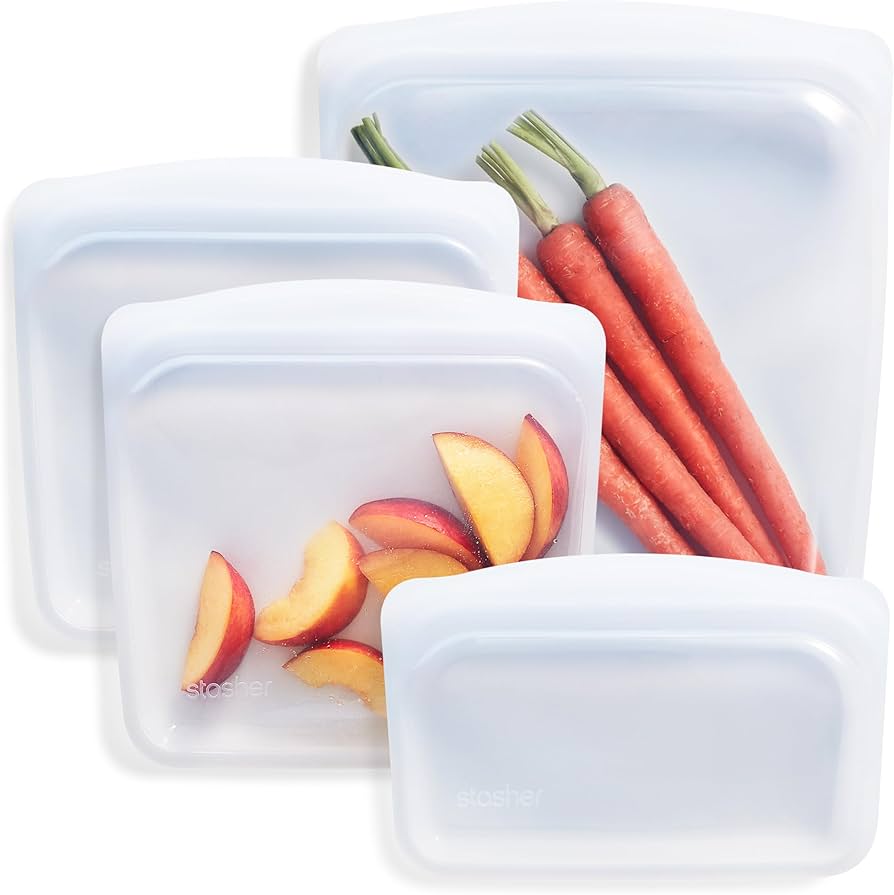
Pre-portioned containers eliminate the "eating the whole bag" problem. Small containers with lids that children can open independently are essential. Glass or BPA-free plastic both work—choose based on your child's age and coordination. Label containers with pictures for pre-readers. The visual of seeing their options helps children make decisions.
Stocking the Station
Include a mix of protein, produce, and complex carbs. Avoid stocking anything you don't want them to eat freely—if it's in the station, it's fair game. Rotate options weekly to prevent boredom. Let children help choose what goes in during grocery shopping—investment in the system increases compliance.
Timing Boundaries
Even with a snack station, some timing structure helps. Many families use rules like "not within an hour of meals" or "one snack in the morning, one in the afternoon." The station provides what autonomy; you still provide when structure. This prevents grazing that undermines appetite for meals.
The Refill Ritual
Make restocking the snack station a weekly ritual, ideally with your child involved. This teaches planning, builds investment in the system, and provides natural opportunities to discuss nutrition without lecturing. "What vegetables should we include this week?" is more effective than "You need to eat more vegetables."
What to Stock: A Balanced Approach
The goal is variety within healthy parameters. Here's how to think about stocking your station:
Protein Options
Protein provides sustained energy and helps children feel satisfied. Good options include cheese sticks or cubes, hard-boiled eggs (pre-peeled for younger children), hummus with veggie sticks, nut butters (if no allergies), and yogurt tubes or cups. Protein at snack time helps prevent the blood sugar crashes that lead to meltdowns.
Produce Options
Pre-washed, pre-cut produce is key—if it requires prep, it won't get eaten. Cherry tomatoes, cucumber slices, baby carrots, apple slices (with lemon water to prevent browning), berries, and grapes (halved for young children) all work well. Having produce ready to grab makes it as convenient as processed snacks.
Complex Carbs
Whole grain crackers, rice cakes, whole wheat pretzels, and popcorn (for children over 4) provide satisfying crunch without the blood sugar spike of refined carbs. Look for options with minimal added sugar and recognizable ingredients.
Occasional Treats
Some families include one "treat" option in the station—a small portion of something sweet. This normalizes treats as part of a balanced diet rather than forbidden fruit. Others keep treats separate from the snack station entirely. Either approach can work; choose based on your family's relationship with sweets.
The 80/20 Principle
Aim for about 80% of snack station options to be nutrient-dense, with room for 20% that are simply enjoyable. Perfection isn't the goal—a sustainable, realistic approach is. Children who never have access to treats often struggle with self-regulation around them later.
Products That Make It Work
These are the containers, organizers, and tools that make snack stations functional for real families:
What Doesn't Work
Some common approaches to children's snacking consistently backfire:
Troubleshooting Common Issues
Even well-designed snack stations encounter challenges. Here's how to handle them:
"They only choose one thing." This is normal, especially at first. Children often need time to trust that options will remain available. Resist the urge to remove the preferred item—this creates scarcity anxiety. Instead, continue offering variety and trust that preferences will naturally expand.
"They're still asking constantly." The station reduces requests, but doesn't eliminate them. Some children need explicit timing rules ("you can visit your snack station once in the morning and once in the afternoon"). Others need help distinguishing hunger from boredom—"Are you hungry, or are you looking for something to do?"
"They eat everything immediately." If children are emptying the station quickly, portions may be too small, or they may be testing boundaries. Try slightly larger portions and clear refill schedules. If it continues, there may be underlying anxiety about food availability worth exploring.
"My partner/caregiver doesn't follow the system." Consistency matters, but perfection isn't required. If the snack station is the norm most of the time, occasional deviations won't undermine it. Have a conversation about the goals and get buy-in, but don't let perfect be the enemy of good.
The Long Game
Building healthy eating habits is a years-long process, not a weeks-long project. Some days will be better than others. The goal is a general pattern of nutritious eating with room for flexibility and enjoyment. If you're stressed about every snack choice, that stress transfers to your child.
Real-Life Parent Test
Let me be honest about what this approach requires:
Initial setup: Low to moderate effort. You'll need to designate space, acquire some containers, and establish the system. This takes an afternoon, not a weekend.
Ongoing maintenance: Moderate. Weekly restocking, regular produce prep, and container washing are ongoing tasks. It's more work than grabbing packaged snacks, but less work than constant snack negotiations.
Best for parents who: Value independence and want to reduce food-related conflict. Are willing to do some prep work for long-term payoff. Can tolerate imperfect eating in the short term.
Not ideal if: You need complete control over every food choice. You're unwilling to prep produce in advance. Your child has significant food allergies requiring close supervision.
The payoff is significant: fewer interruptions, less negotiation, and children who are learning to make their own food decisions within healthy boundaries.
Honest Effort Assessment
The Bottom Line
A snack station isn't about being a perfect parent or raising a perfect eater. It's about creating a system that works for your actual family—one that reduces conflict, builds independence, and makes healthy choices the easy choices. The shift from constant snack negotiations to "you can choose something from your station" has been transformative in our house. My daughter feels autonomous. I feel less like a short-order cook. And the overall quality of her snacking has improved because the options are all ones I'm comfortable with. Start simple. A basket with a few options is enough to begin. You can refine the system over time based on what works for your family. The goal isn't Instagram-worthy organization—it's a sustainable approach to feeding your child that supports both nutrition and independence. Those constant "I'm hungry" requests haven't disappeared entirely. But now they're followed by footsteps toward the snack station, not negotiations at my elbow. And that's a win for everyone.
Enjoying this article?
Get more parenting insights, product recommendations, and exclusive content delivered to your inbox.
Key Takeaways
- 1Children need to snack frequently due to smaller stomachs and higher metabolic rates
- 2A snack station provides autonomy within healthy boundaries—all options are parent-approved
- 3Pre-portioned, accessible containers are essential for true independence
- 4Include a mix of protein, produce, and complex carbs for balanced nutrition
- 5Timing boundaries (like "not within an hour of meals") prevent grazing
- 6Weekly restocking with child involvement builds investment in the system